On September 25, 2026, Governor Newsom signed four bills that change how California punishes repeat DUIs. Starting January 1, 2027, a third DUI can be charged as a felony, a “wet reckless” counts as a prior, and any plea down from a DUI comes with a murder warning. San Diego DUI attorney Joshua Price, past president of the California DUI Lawyers Association, explains what changes and what it means for your case.
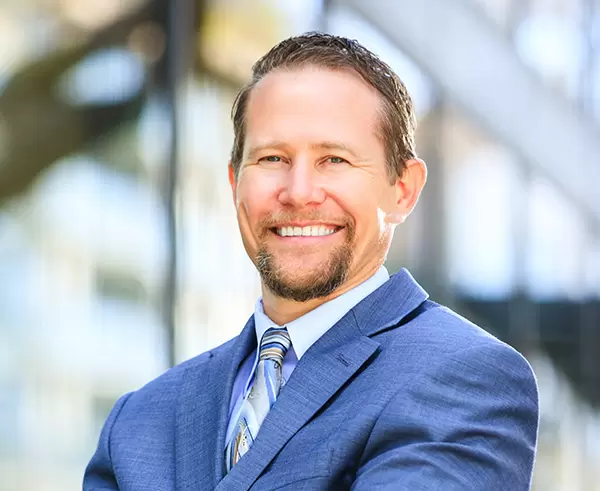
Most of the news coverage has been about “Braun’s Law,” named for Braun Levi, an 18-year-old killed in Manhattan Beach in May 2025. The change most likely to affect people charged in San Diego County, though, is in a less-discussed bill, AB 1546. It lets prosecutors charge a third DUI as a felony. This summary is written from the chaptered bill text and the Legislature’s own committee analyses, not from news reports. Several early news stories got parts of it wrong.
“This is unfortunate news for people who pick up a third-offense DUI. I foresee very few, if any, third-offense DUIs being filed as misdemeanors starting in 2027.”
Joshua Price, past president of the California DUI Lawyers Association
| Bill | What it does | Takes effect |
|---|---|---|
| AB 1546 Schultz, Ch. 444 | A third DUI within 10 years can be charged as a felony. A fifth or later DUI within 10 years must be charged as a felony. | Jan. 1, 2027 |
| SB 907, “Braun’s Law” Archuleta, Ch. 443 | Any plea to a lesser offense in place of a DUI, even a straight reckless driving plea, now requires the murder (“Watson”) advisement. Hit-and-run penalties increase when the driver has a prior DUI. | Jan. 1, 2027 |
| AB 1685 Lackey, Ch. 445 | Gross vehicular manslaughter while intoxicated adds 3 points to a DMV record instead of 2, and stays on the public record for 10 years. | Jan. 1, 2031 |
| AB 1687, “Irene’s Law” Lackey, Ch. 446 | Injury DUI with four or more priors within 10 years: 72-month license loss, then a 72-month ignition interlock requirement. | Jan. 1, 2031 |
Current law (through Dec. 31, 2026): A third DUI within 10 years is a misdemeanor, punishable by 120 days to one year in county jail (Vehicle Code § 23546). A DUI becomes a possible felony only at the fourth offense.
New law (Jan. 1, 2027):
The part most people miss: a “wet reckless” counts as a prior. The bill counts a reckless-driving plea entered to resolve a DUI charge (VC § 23103.5). So someone with one DUI and one wet reckless in the last 10 years is facing a possible felony on their next arrest.
What the news got wrong: Early coverage said AB 1546 also adds longer license revocations and a longer ignition interlock requirement. Those provisions were in earlier versions of the bill, but the Senate removed them on August 28, 2026. According to the Assembly’s final concurrence analysis, the fifth-offense tier now carries the same license and interlock sanctions that already apply to a fourth DUI.
“I believe all third-offense DUIs starting in 2027 will be filed as felonies. That does not mean a skilled attorney cannot get the case reduced to a misdemeanor, but I believe most, if not all, third offenses will at least start out as a felony filing.”
Joshua Price
For the penalties that apply today, see our multiple DUI convictions and San Diego DUI penalties pages.
California judges already give the “Watson advisement” to anyone convicted of DUI. It warns that driving under the influence is dangerous to human life, and that if the person drives impaired again and someone dies, they can be charged with murder (VC § 23593).
Starting January 1, 2027, SB 907 adds this language to VC § 23635:
“If a defendant pleads guilty or no contest to a different or lesser offense as a substitute for an alleged violation of Section 23152, the court shall give an advisement pursuant to Section 23593.”
Why it matters: Most courts already give the Watson advisement when someone pleads to a wet reckless. The bigger change is that the warning is now required for any plea that resolves a DUI charge. That includes a straight (“dry”) reckless driving plea under VC § 23103(a), which until now usually came without it. A reduced plea is still a good outcome, because you avoid a DUI conviction. But the murder warning will be on the record either way, and a prosecutor can use it in any future case.
“Most courts have always required a Watson advisal on a wet reckless. What this really changes is that a Watson advisal will be required for any plea when a DUI is charged. A straight reckless driving plea under VC 23103(a) typically does not require a Watson advisal, but now it will.”
Joshua Price
Hit-and-run with a prior (also SB 907, VC § 20001): If a driver leaves the scene of an injury crash within 10 years of a prior DUI, wet reckless, or vehicular manslaughter conviction, the new law allows two, three, or four years in state prison. If the crash caused death or permanent, serious injury and the driver has such a prior, the range rises to three, four, or five years.
The Governor’s announcement lists longer license revocations, but two of the four bills have a written operative date of January 1, 2031:
Increased penalties generally apply only to offenses committed on or after the law’s effective date. If your arrest was before January 1, 2027, the current sentencing ranges should govern your case.
The Watson advisement works differently. It applies to every plea entered on or after January 1, 2027, even if the arrest happened earlier.
And any conviction you pick up now will count as a prior under the new rules. Every DUI or wet reckless on your record in the next 10 years moves you closer to the felony threshold.
Starting January 1, 2027, a third DUI within 10 years becomes a “wobbler” under AB 1546, so the prosecutor can charge it as a misdemeanor or a felony. Until then, a third DUI within 10 years is a misdemeanor. A fifth or later DUI within 10 years will always be a felony.
Yes. Under AB 1546, a reckless-driving plea entered to resolve a DUI charge (a “wet reckless,” Vehicle Code § 23103.5) counts as a prior when deciding whether a new DUI can be filed as a felony.
It is a warning given on the record under Vehicle Code § 23593: driving under the influence is dangerous to human life, and a person who drives impaired again and kills someone can be charged with murder. Starting January 1, 2027, SB 907 requires it for any plea that resolves a DUI charge, including a wet or straight reckless driving plea.
Braun’s Law is SB 907, signed on September 25, 2026 and named for Braun Levi, an 18-year-old killed in Manhattan Beach in May 2025. It requires the Watson advisement for any plea down from a DUI and increases hit-and-run penalties for drivers with a prior DUI. It takes effect January 1, 2027.
Increased penalties generally apply only to offenses committed on or after January 1, 2027, so an earlier arrest should be sentenced under the current ranges. The Watson advisement is different: it applies to every plea entered on or after January 1, 2027, even if the arrest happened earlier.
Government sources only.
How your case is filed and resolved matters more than ever under the new laws. Call for a free consultation, and Josh will tell you where your case stands and what to do next. We are receiving calls 24/7.
Request a Free Consultation