


Third DUI Offense – What Drivers Need to Know
Changing January 1, 2027: Under AB 1546, signed in September 2026, a third DUI within 10 years can be charged as a felony, and a “wet reckless” counts as a prior. See California’s new repeat-DUI laws for what changes.If you have been convicted of DUI in the past, you might think that you know what’s in store for you with your third charge. Actually, you need to prepare yourself. A third DUI in the state of California carries stiffer penalties than a first or second offense. There are also other factors that can play a role. As always, the best defense is to avoid getting be[...]
What Are the Differences between a Misdemeanor DUI and Felony DUI?
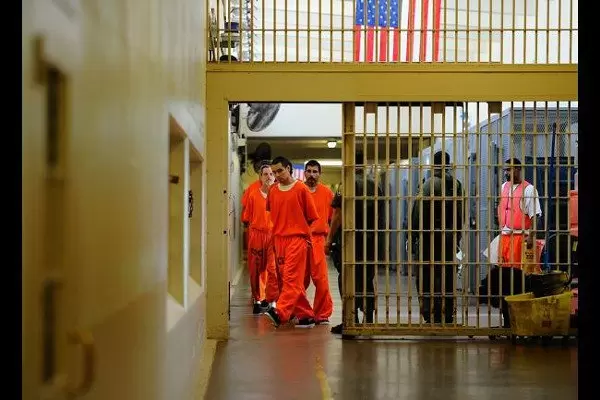
Changing January 1, 2027: Under AB 1546, signed in September 2026, a third DUI within 10 years can be charged as a felony, and a “wet reckless” counts as a prior. See California’s new repeat-DUI laws for what changes.DUI is a crime, even if no one was hurt. If you’re found guilty of driving under the influence, you face repercussions. However, the severity of your infraction will determine exactly what happens in your case. There are two types of DUIs in California: misdemeanor DUIs and felony DUIs. Most of the time, DUIs are misdemeanor crimes. However, felony charges [...]
What occurs if I decline to undergo the Breathalyzer test?
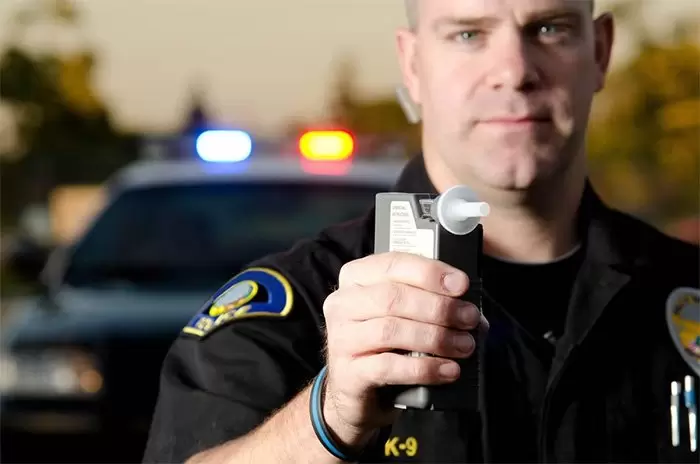
The primary means to determine whether a driver is drunk while behind the wheel is the Breathalyzer test. It has been the subject of a lot of controversy, but it remains an important tool for police officers. Should you refuse to take the breath test on the side of the road? You’re within your rights to refuse, but there are some very good reasons to go ahead and comply with the officer’s instructions.You May Refuse the PAS TestFirst and most importantly, refusing to take the breath test doesn’t mean that you won’t go to jail. If the officer suspects that you’ve been drinking and dri[...]

What Should I Do at a Sobriety Checkpoint?
Sobriety checkpoints (or roadblocks) have become common tools used by police forces all around the country, not just in California. At the best of times, they’re an annoyance. They can also be significantly problematic, even if you have had nothing to drink. Knowing what to do when you are approaching these checkpoints, how to act toward the officers, and what your rights are will help you make it through. Know When and Where Understand that under federal law, all sobriety checkpoints must be publicized before they occur. Many California residents don’t know this, and that kn[...]

DUI Probation Violation – What Happens?
I wrote a newer post on this topic that includes information about possible defenses for a DUI probation. Please have a look and contact me if you have any questions.With the help of an attorney, there’s an excellent chance that you’ll have your DUI charges dismissed or get out of court with only probation. However, if you’re on probation, you must abide by the court’s rules, or else you violate the terms of your probation. This violation opens you up to a wide range of damaging repercussions. What constitutes a violation of probation, and what might happen if you do violate those term[...]

What Happens if I Refuse to Take Field Sobriety Tests?
Police officers have a wide range of tests at their disposal to help determine if a driver has had too much to drink. However, the problem with these tests is that they’re largely inaccurate, with some barely going above 60% accuracy. That leaves a lot of room for error. Even drivers who have had nothing to drink at all can fail these tests, leading to an arrest for DUI. Of course, blood and urine testing will eventually exonerate innocent drivers, but that doesn’t make up for the time lost or the stigma of being arrested. Should you refuse to take field sobriety tests? What happen[...]

